
What is a rooftop deck?

<Back to FAQs

What is a rooftop deck?

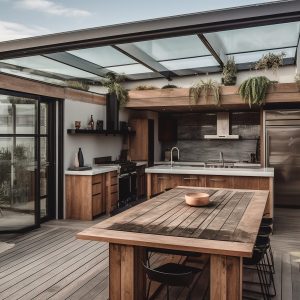
A rooftop deck is an outdoor leisure area situated on the roof of a building. Typically flat, these decks use unused vertical spaces to create a private retreat or entertainment area with potentially spectacular views. Rooftop decks can be outfitted with various features, such as seating areas, plants, outdoor kitchens, and even hot tubs, depending on the strength and capacity of the roof structure. They are trendy in urban environments where ground-level space is limited. Building a rooftop deck involves careful planning to ensure it is structurally sound, accessible, and compliant with local building codes.

When designing a rooftop deck, there are several types of decking materials and design options to consider, each with its own aesthetic, durability, and maintenance needs. Here are some of the most popular types of decks for a rooftop:

1. Wood Decking

Wood decking is a classic choice that provides a warm, natural aesthetic. Several types of wood are used for rooftop decks, depending on budget, durability, and the look you’re going for.

  • Pressure-Treated Wood: This is an affordable and durable option for rooftop decks. Pressure-treated wood is treated to resist rot, insects, and weather damage. However, it requires regular maintenance, such as staining and sealing, to preserve its appearance.
  • Cedar and Redwood: These woods are naturally resistant to insects and rot, making them great for outdoor use. Cedar and redwood offer a rich, natural look and age beautifully with proper care. They are more expensive than pressure-treated wood but require less maintenance.
  • Ipe (Brazilian Hardwood): Ipe is a dense, exotic hardwood that is highly durable and weather-resistant. It is rich, dark brown and highly resistant to rot and insects. Ipe requires minimal maintenance but is more expensive and complicated to install due to its density.

2. Composite Decking

Composite decking is made from wood fibres and recycled plastic, making it an eco-friendly and low-maintenance option for rooftop decks.

  • Durability: Composite decking is highly durable and resistant to fading, warping, and rot. It doesn’t require staining or sealing, making it an excellent choice for homeowners who want a hassle-free deck.
  • Aesthetic: Composite decking comes in a wide range of colours and textures, mimicking the look of natural wood without maintenance requirements.
  • Cost: While more expensive upfront than pressure-treated wood, the lower maintenance costs over time can make composite decking cost-effective.

3. PVC Decking

PVC (polyvinyl chloride) decking is a synthetic plastic material. It’s highly durable and designed to withstand the elements.
  • Weather Resistance: PVC decking is resistant to moisture, mildew, and UV rays, making it ideal for rooftop decks exposed to harsh weather conditions.
  • Lightweight: Since PVC decking is lighter than wood or composite materials, it can be a good option for rooftop decks where weight is a concern.
  • Maintenance: PVC decking is virtually maintenance-free and doesn’t require sealing or staining. It can easily be cleaned with soap and water.
  • Cost: PVC decking is generally more expensive than both wood and composite options, but its long-lasting durability can justify the higher price.
What is a rooftop deck?